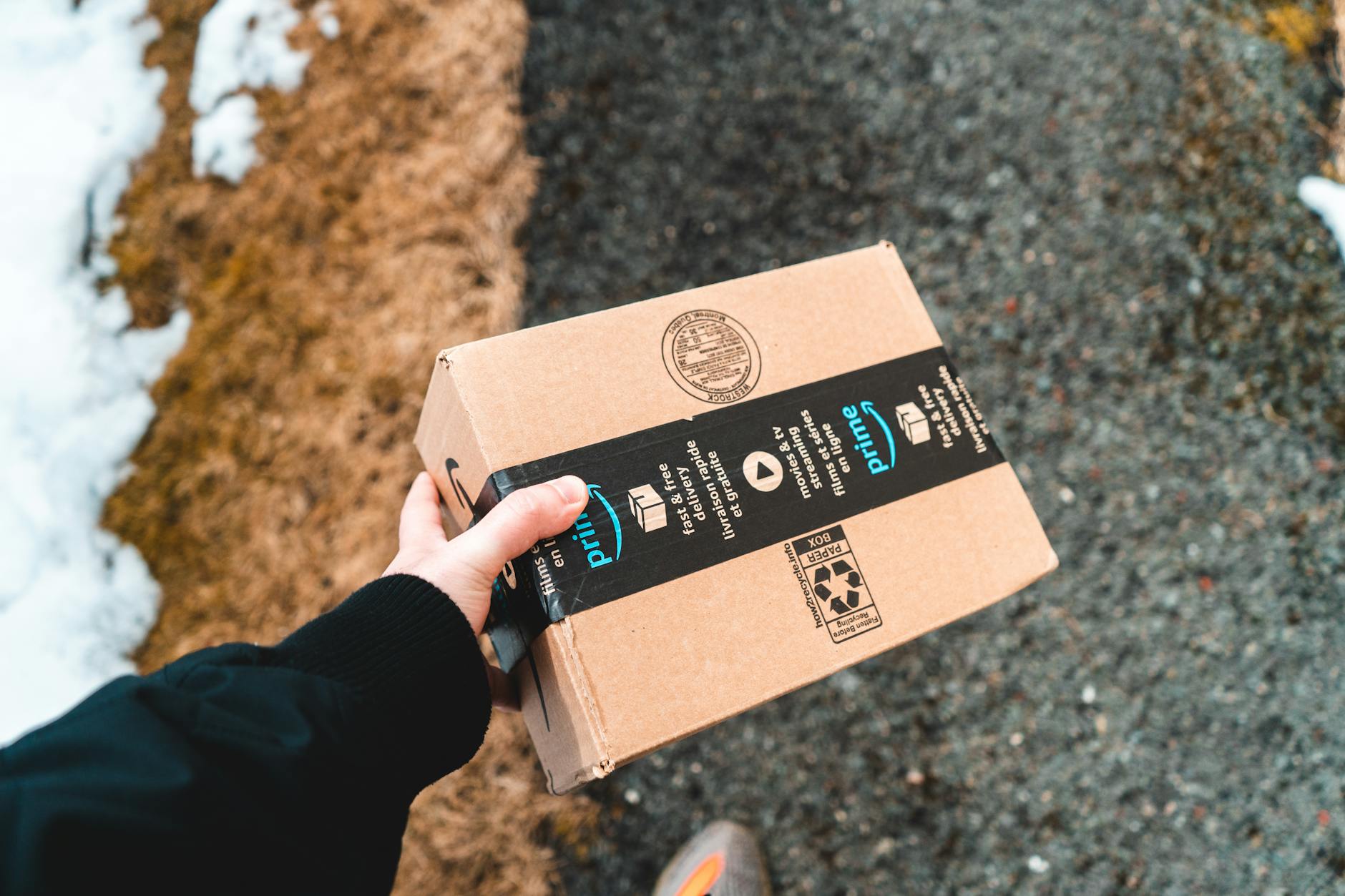
Meesho vs Amazon India 2026: Where Should Sellers Sell?
Meesho vs Amazon India 2026: The Complete Seller Comparison
If you're an Indian seller trying to decide between Meesho vs Amazon India in 2026, you're not alone. Every week, thousands of new sellers ask this exact question. The choice isn't just about where to list products—it's about which platform matches your business model, budget, and growth ambitions.
The Indian e-commerce landscape has shifted dramatically. Meesho has grown from a reseller platform to a full marketplace with over 100 million monthly users. Amazon India continues dominating premium segments with superior logistics and trust. Both platforms work, but they work differently.
This guide breaks down everything—commission structures, seller requirements, audience differences, and real growth potential—so you can make the right choice for 2026.
Why This Decision Matters More in 2026
The gap between platforms has widened. Amazon has doubled down on premium products with stricter quality controls and higher advertising costs. Meesho has expanded into Tier 2 and Tier 3 cities where price sensitivity rules.
Choosing wrong means wasted inventory investment, poor conversion rates, and months of learning the wrong playbook. A fashion seller targeting budget-conscious buyers in Patna will struggle on Amazon. A premium electronics seller will find Meesho's audience difficult to convert.
The commission difference alone can swing your margins by 8-15%. Shipping expectations vary drastically—Meesho buyers accept 5-7 day delivery, Amazon Prime users expect next-day delivery. Your operational setup must match the platform.
Sellers who pick the right platform see profitability in 3-4 months. Those who pick wrong often abandon their first choice after 6 months and restart on another platform, losing time and capital.
Understanding Each Platform's DNA
Amazon India: Premium Positioning and Operational Excellence
Amazon India focuses on middle and upper-middle-class buyers who value speed, authenticity, and customer service. The average order value hovers around ₹1,200-1,800. Categories like electronics, branded fashion, books, and home appliances dominate.
Amazon's logistics infrastructure is unmatched. FBA (Fulfillment by Amazon) handles storage, packing, shipping, and returns. Sellers using FBA get Prime badge, faster delivery promise, and higher visibility in search results.
The platform attracts serious buyers. Conversion rates typically run 2-4% higher than other marketplaces because customers trust the return policy and product authenticity verification.
Advertising is mandatory for visibility. Sponsored Products campaigns cost ₹5-25 per click depending on category. New sellers typically spend ₹15,000-30,000 monthly on ads to gain initial traction.
Meesho: Volume Play for Value-Conscious India
Meesho exploded by targeting Bharat—smaller cities and towns where price trumps everything else. The platform started with resellers but now welcomes direct sellers. Average order values range ₹300-600.
The beauty of Meesho is zero commission on most categories. Sellers pay ₹0 platform fees and only shipping charges, which Meesho heavily subsidizes. This makes ultra-thin margins viable.
Meesho buyers expect bargain prices. A kurti that sells for ₹899 on Amazon might need to be priced ₹399-499 on Meesho to convert. But the volume compensates—sellers often move 3-5x more units.
The platform handles COD returns differently, which impacts return rates. Meesho has higher return percentages (18-25%) compared to Amazon (10-15%), but the zero commission structure often still makes it profitable.
The Real Cost Comparison: Meesho Commission vs Amazon Fees
Amazon Fee Structure 2026
Amazon charges referral fees ranging from 5% to 20% depending on category. Fashion and lifestyle products attract 15-19% fees. Electronics and books fall at 5-12%.
FBA fees add another layer. Storage costs ₹20-45 per cubic foot per month. Fulfillment fees (pick, pack, ship) range ₹35-95 per unit based on weight and dimensions.
Closing fees (₹10-50 per order) and collection fees (2% for prepaid, higher for COD) add up. Payment settlement happens every 7-14 days with a reserve amount held initially.
A ₹999 fashion product typically incurs: 17% referral (₹170) + FBA fulfillment (₹60) + closing fee (₹25) + payment fee (₹20) = ₹275 in fees, leaving ₹724 before product cost and ads.
Meesho Fee Structure 2026
Meesho charges zero commission on most categories including fashion, home, beauty, and electronics. This is not a temporary promotion—it's their core business model.
Shipping fees are transparent. Fixed pricing based on weight: ₹39 for 0-500g, ₹55 for 500g-1kg. Meesho subsidizes heavily, so actual logistics costs are higher but absorbed by the platform.
Payment gateway charges apply at 2% for prepaid orders. COD attracts ₹15-25 additional handling fees. No storage fees since Meesho operates on a seller-fulfillment model.
The same ₹999 product costs: ₹0 commission + ₹55 shipping + ₹20 payment fee = ₹75 in platform costs, leaving ₹924 before product cost. But you must price closer to ₹499 to match buyer expectations, changing the equation entirely.
Seller Requirements and Onboarding
Getting Started on Amazon
Amazon requires GST registration—mandatory, no exceptions. You'll need a current account, PAN card, address proof, and product images meeting strict guidelines (white background, multiple angles, minimum resolution).
Initial documentation takes 3-7 days to verify. Some categories like grocery, jewelry, and automotive require additional approvals and certifications.
Minimum inventory investment runs higher. To make FBA worthwhile, you need at least 100-200 units sent to warehouses. Factor ₹30,000-80,000 initial inventory investment for most categories.
Amazon provides detailed training through Seller University, but the learning curve is steep. Understanding advertising, A+ content, deals, and FBA logistics takes 2-3 months of active selling.
Getting Started on Meesho
Meesho onboarding is simpler. GST is required but verification is faster. You can start with self-ship model without large inventory commitments.
Product listing guidelines are more relaxed. Images don't need professional studio quality—smartphone photos with good lighting work fine. This lowers entry barriers significantly.
You can test with 20-50 units initially. Total investment can be as low as ₹10,000-25,000 to launch your first product line.
The platform provides Meesho Seller App with intuitive interface in Hindi and English. Most sellers become operational within days, not weeks.
Audience Differences That Impact Your Strategy
Amazon shoppers actively search for specific brands and products. They use filters, read reviews thoroughly, and compare options. Your listing optimization and SEO matter enormously.
Meesho shoppers browse more impulsively. They're influenced by price drops, attractive images, and social proof in the form of order counts. Discount psychology works better than detailed specifications.
Return behavior differs. Amazon customers return products for minor issues—color not exactly as expected, size slightly off. Meesho customers have higher tolerance for minor variations but won't accept damaged or completely mismatched products.
Review importance varies. Amazon reviews make or break products. Below 3.5 stars, sales plummet. Meesho buyers rely less on reviews and more on product images and price points.
Best Platform for New Sellers India: The Honest Answer
If you have limited capital (under ₹50,000), start with Meesho. The zero commission structure and lower inventory requirements let you learn marketplace selling without devastating losses.
If you're selling branded or premium products above ₹1,500, Amazon is better. The audience matches your pricing, and authentication programs prevent counterfeit competition.
For fashion and lifestyle under ₹800, Meesho gives you volume. For fashion above ₹1,200, Amazon gives you margin.
If you can't handle advertising budgets, Meesho is more forgiving. Organic reach is possible with competitive pricing. Amazon increasingly requires ad spending to gain visibility.
Experienced sellers often use both platforms with different SKUs. Premium lines on Amazon, value variations on Meesho. This requires sophisticated inventory management across platforms.
Common Mistakes Sellers Make in This Decision
The biggest mistake is listing identical products at identical prices on both platforms. Audiences expect different pricing. Amazon buyers see a ₹499 dress and assume quality issues. Meesho buyers see a ₹1,299 dress and scroll past.
Sellers underestimate logistics complexity. Amazon FBA seems easy until you face long-term storage fees or stranded inventory. Meesho self-ship seems simple until you're packing 50 orders daily and managing courier pickups.
Many ignore return rate impacts. High-return products like clothing should factor platform return behavior into margin calculations. A 20% return rate on Meesho versus 12% on Amazon significantly affects profitability.
New sellers often skip competitive research. They assume a product successful on Amazon will work on Meesho. The competition landscape, pricing benchmarks, and buyer expectations differ dramatically.
Platform hopping wastes resources. Giving up on Meesho after one month because sales didn't meet Amazon-level expectations costs time and credibility. Each platform needs 3-4 months of optimization to evaluate properly.
How EcomShadow Solves Multi-Platform Selling Challenges
Managing Meesho and Amazon simultaneously becomes overwhelming fast. Different dashboards, duplicate data entry, pricing strategy confusion, and scattered inventory tracking kill productivity.
EcomShadow brings both platforms into one unified dashboard. You see Meesho orders, Amazon orders, inventory levels, and revenue metrics in a single view. No more tab-switching or login juggling.
The AI keyword research tool helps you optimize listings differently for each platform. Amazon keywords focus on product specifications and brand terms. Meesho keywords emphasize price and value propositions.
Product research shows what's selling on both platforms in your category. You can spot gaps—products doing well on Amazon with low competition on Meesho, or vice versa.
The listing builder creates platform-specific descriptions. Amazon listings get detailed bullet points and technical specifications. Meesho listings get simpler, benefit-focused copy that converts browsers into buyers.
Inventory management prevents overselling. When a product sells on Meesho, EcomShadow updates available quantity across all channels automatically. This is critical during festival sales when orders spike.
Inventory planning uses AI to forecast demand separately for each platform. It recognizes that your Meesho SKUs move faster but at lower margins, while Amazon SKUs need different reorder timing.
EcomShadow Features handles complexity so you can focus on sourcing, quality, and customer service rather than operational headaches.
Meesho Seller Growth vs Amazon Seller Growth
Growth trajectories differ substantially. Amazon sellers typically see slower initial growth but more predictable scaling. Month 1-3 involves setup, advertising testing, and review building. Months 4-8 show steady growth if fundamentals are right.
Meesho can deliver explosive early growth. Sellers sometimes go from zero to 500 orders monthly within 4-6 weeks if pricing and product-market fit align. But growth plateaus faster without brand differentiation.
Amazon rewards brand building. Investing in A+ content, storefronts, and Sponsored Brand ads pays dividends long-term. Customer loyalty develops around brands, not just products.
Meesho rewards operational efficiency. Sellers who can source at rock-bottom prices, fulfill quickly, and maintain low return rates through accurate listings win big. It's less about brand and more about execution.
Scaling on Amazon requires more capital. Moving from ₹2 lakhs to ₹10 lakhs monthly revenue means significant FBA inventory investment and advertising budgets.
Scaling on Meesho is more linear. Going from 200 to 1,000 orders monthly mainly requires better sourcing relationships and fulfillment capacity, not proportional capital increases.
Making Your 2026 Decision
Evaluate your product honestly. What's your realistic selling price? What's your gross margin at that price? Does that margin support Amazon's fee structure or require Meesho's zero commission?
Assess your operational capacity. Can you handle daily packaging and courier coordination for self-ship? Or do you need FBA's hands-off approach?
Consider your capital availability. Do you have ₹1-2 lakhs for initial Amazon inventory plus advertising? Or ₹30,000-50,000 for Meesho testing?
Think about brand ambitions. Are you building a recognized brand name that commands premium pricing? That's Amazon territory. Or optimizing a supply chain for volume and efficiency? That's Meesho.
The smartest approach for 2026 is platform-specific strategy. Not Meesho versus Amazon, but Meesho AND Amazon with different SKUs, pricing, and positioning.
Key Takeaways
Meesho works best for value products under ₹800 targeting Tier 2-3 cities with zero commission and lower entry barriers, while Amazon suits premium products above ₹1,200 targeting metros with superior logistics and brand building opportunities.
Amazon fees total 20-30% of product price including referral, FBA, and closing fees, whereas Meesho charges zero commission but requires lower pricing to match audience expectations, changing the profitability equation entirely.
New sellers with limited capital should start on Meesho to learn marketplace fundamentals without heavy advertising requirements, while experienced sellers with ₹1+ lakh capital can leverage Amazon's infrastructure and Prime audience for faster premium positioning.
The biggest mistake is listing identical products at identical prices on both platforms—each audience has different expectations requiring different SKUs, pricing strategies, and listing optimization approaches for maximum conversion.
Using multi-platform tools like EcomShadow becomes essential when managing both marketplaces simultaneously, preventing inventory sync issues, optimizing platform-specific listings, and providing unified analytics for smarter business decisions.
Start Selling Smarter Across Platforms
The Meesho vs Amazon India 2026 debate doesn't need a winner. Both platforms create wealth for sellers who understand their unique dynamics.
Your job is matching your product, capital, and capabilities to the right platform—or both platforms with intelligent differentiation.
Stop guessing which marketplace works better. Start testing with clear metrics, appropriate pricing strategies, and proper inventory management across channels.
Ready to manage multiple marketplaces without the chaos? See how EcomShadow helps Indian sellers grow on Amazon, Meesho, Flipkart, and more from one powerful dashboard.
Ready to grow your seller business?
EcomShadow gives you AI-powered keyword research, listing optimization, and inventory management — all in one place.
Start free — no credit card needed →